Nanoscale architecture
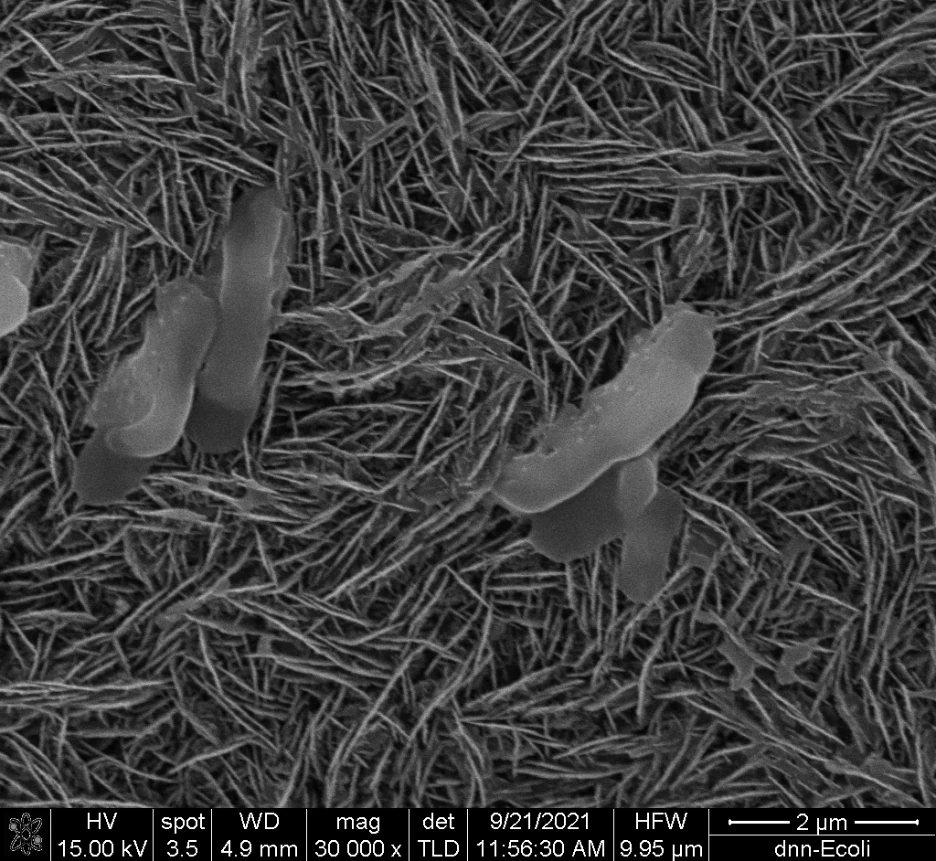
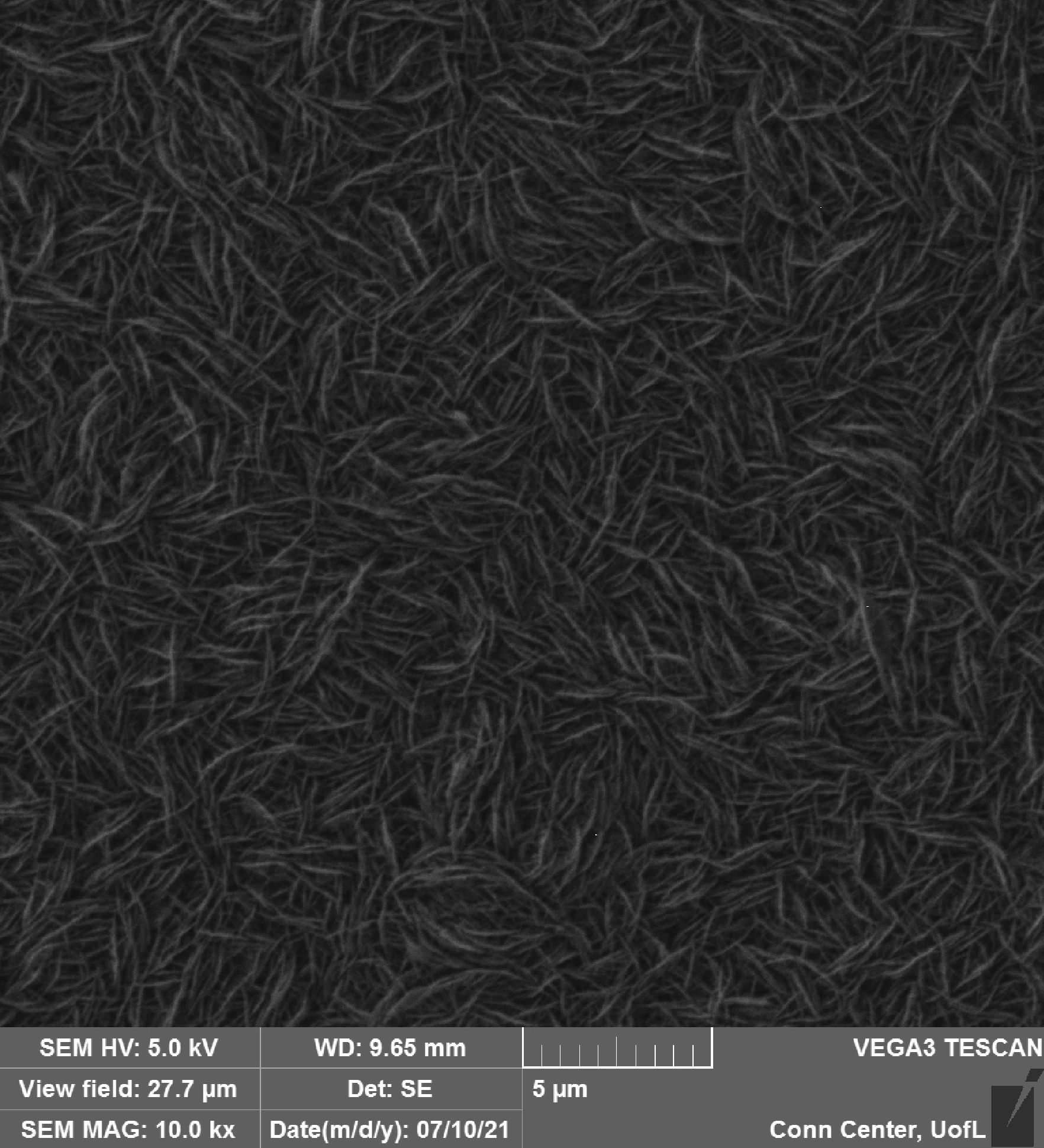
A dense field of sharp, high-aspect-ratio carbon nanostructures creates a mechanically active surface at the microbial scale.

Nanostructured surface technology
Addrix is a black nanostructured carbon coating designed to mechanically disrupt microorganisms at the surface—without relying on a releasable antimicrobial agent.
Why Addrix
Addrix is being commercialized as a material platform for manufacturers that want passive surface functionality integrated directly into a product—not a wipe-on treatment that must be replenished.
A dense field of sharp, high-aspect-ratio carbon nanostructures creates a mechanically active surface at the microbial scale.
The underlying mechanism is physical. It does not depend on a consumable silver, copper-ion or chemical biocide reservoir.
Commercialization starts with representative components, substrate validation, durability testing and a manufacturing pathway with qualified coating partners.
The surface
The Addrix coating is black, making appearance an intentional part of product integration—and creating the opportunity for a recognizable visual signature on Addrix-enabled components.
Where we start
Addrix is optimized for areas that are routinely exposed to contamination and cleaning without serving as primary grip points, repeated impact zones or high-abrasion wear surfaces.
Exterior surfaces on analyzers, diagnostic equipment and benchtop instruments where a black finish is acceptable and repeated hard gripping is limited.
Components that are regularly handled or exposed but do not serve as primary load-bearing grips or high-abrasion wear surfaces.
Removable plates, panel surrounds, guards or inserts engineered specifically around the coating process and durability envelope.
Evidence
Addrix has demonstrated antibacterial performance against E. coli in laboratory testing and is supported by peer-reviewed literature and Tetrivex-owned intellectual property.
Application-specific validation expands the Addrix evidence base across substrates, organisms, cleaning protocols and real-world wear conditions.
Evidence standard
Peer-reviewed testing reported quantitative suppression of E. coli growth together with SEM evidence of severe cell disruption on the nanostructured surface. Because performance depends on the tested surface, organism and conditions, Addrix reports those findings in the context in which they were demonstrated rather than reducing them to a single universal kill-rate claim.
Application development
Start with the component, substrate, use conditions and validation need.